
Investment · 6 min read
Planning rental income from a multi-unit home
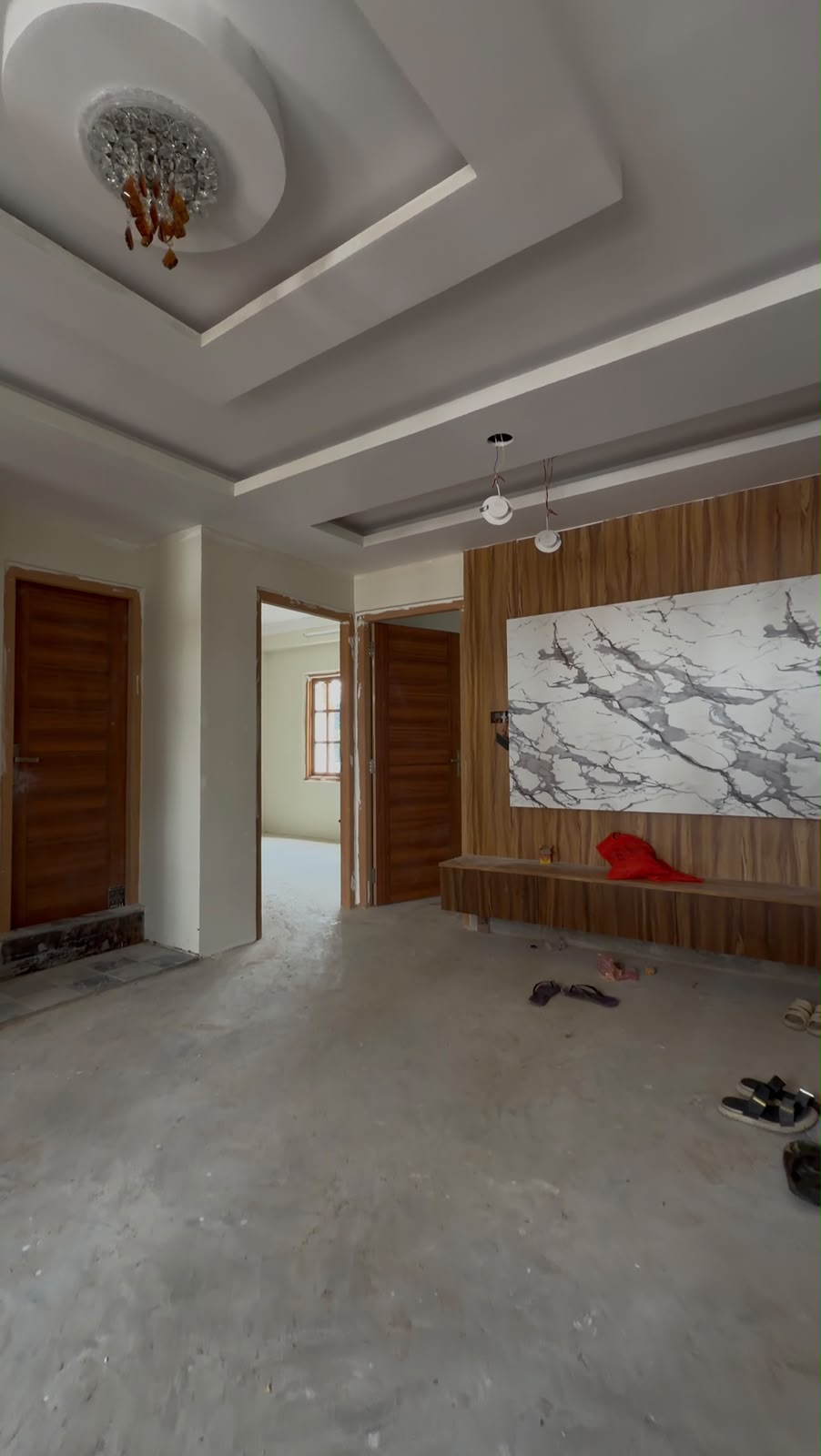
How to evaluate separate kitchens, access, tenant privacy, operating costs, and realistic income before buying a rental-ready house.
Start with a realistic rent estimate
Use recent asking rents for comparable units in the same neighborhood, then adjust for road access, parking, floor level, sunlight, water reliability, furnishing, and condition. A seller’s current rent can be useful evidence, but it is not automatically the market rate.
Calculate income using an expected occupied period rather than twelve perfect months. Vacancy, tenant changes, small repairs, and collection delays are normal operating conditions.
Check whether the units work independently
A rentable floor should have sensible access, a usable kitchen, adequate bathrooms, ventilation, and privacy from the owner’s space. Shared stairs can work, but the circulation should not force tenants through private family areas.
Separate electricity meters, clear water arrangements, secure entrances, and defined parking reduce misunderstandings. Confirm that added kitchens and partitions are safe and consistent with the approved building layout.
Count the costs that rent must cover
Gross rent is not profit. Allow for routine maintenance, water pumping, common-area electricity, cleaning, repainting between tenants, appliance or fixture replacement, property-related taxes, and occasional larger repairs.
If the purchase uses a loan, test whether the property remains manageable if interest costs rise or a unit stays vacant. A conservative estimate is more useful than a high headline yield.
- Keep a reserve for roof, plumbing, and exterior maintenance.
- Record who pays for shared services before signing a tenancy.
- Do not assume every bedroom can be rented at full market value.
Protect both owner and tenant
Use a clear written rental agreement covering rent, deposit, payment date, notice, maintenance responsibilities, utility allocation, permitted use, and an inventory for furnished units.
Good rental design is not only about maximizing unit count. Homes with privacy, light, storage, safe access, and predictable services attract better long-term tenants and are easier to manage.